
If you’ve ever watched chickens eat, you may have noticed something interesting. They don’t chew their food. No teeth, no grinding, no problem. Instead, chickens rely on a powerful part of their digestive system called the gizzard.
In this project, we’re breaking down how a chicken’s gizzard works and showing you how to model it with a simple, hands-on science experiment using materials you probably already have at home.
This activity is perfect for homeschool science, farm studies, or a poultry unit and kids love it.
What Is a Chicken’s Gizzard?
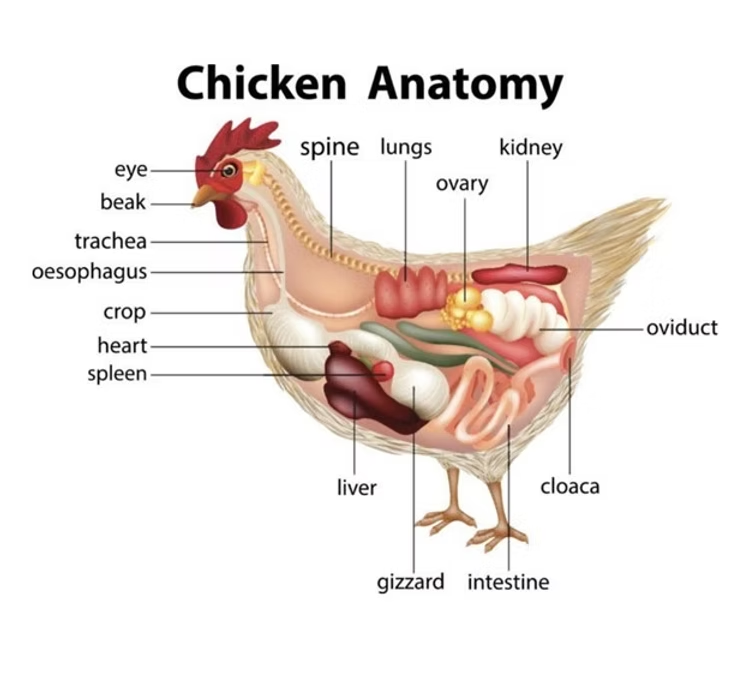
Chickens swallow food whole. Once the food travels through the digestive system, it reaches the gizzard, a strong muscular organ designed to grind food down into smaller pieces.
Because chickens don’t have teeth, the gizzard does the hard work by:
Contracting powerful muscles
Using small stones or grit stored inside
Breaking down whole grains and tough food
Think of the gizzard as a natural food processor.
A Hands-On Way to See the Gizzard in Action
To help students understand how this works, we can recreate the gizzard’s job using a simple balloon experiment.
This activity models how muscle movement + grit = digestion.
Materials Needed
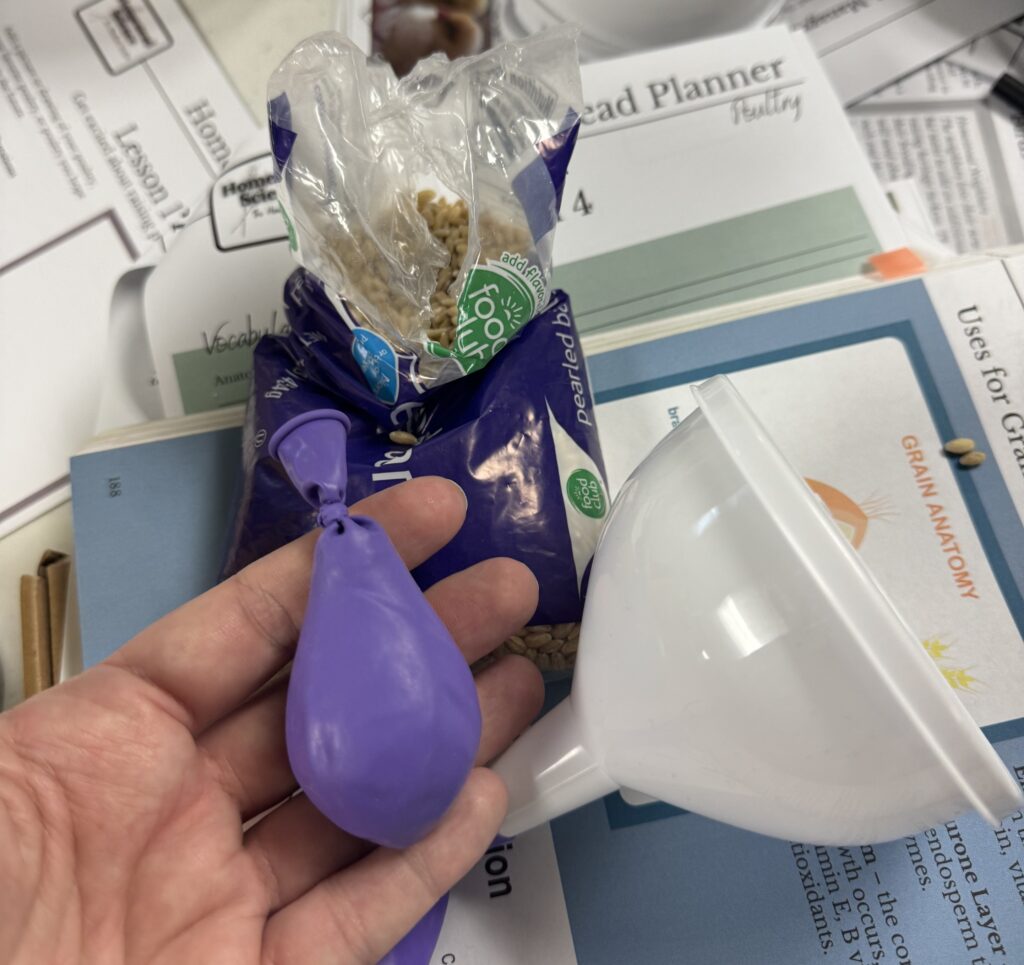
- 1 balloon
- Whole grains (corn, rice, wheat, or oats)
- Small pebbles or gravel (clean and dry)
- Scissors
- Funnel
- Paper towels or a tray
Step-by-Step Instructions
Stretch the balloon gently to make it easier to fill.
Add a small handful of whole grains into the balloon.
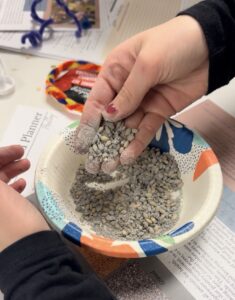
Add a few small pebbles to represent grit.
Do not add air to the balloon.
Tie the balloon closed tightly.
Use your hand to squeeze, knead, and grind the balloon for 5 minutes.
Pay attention to how the contents feel as you work them.
Carefully cut the balloon open over a tray.
Observe the grains and compare them to how they looked at the start.
What Should Students Observe?
Are the grains cracked or broken down?
How did the pebbles affect the grains?
What happens when pressure is applied repeatedly?
This mirrors what happens inside a chicken’s gizzard every day.
Make It Easy With the Printable Project Sheet
To keep this activity simple and organized, we’ve created a ready-to-use printable project sheet you can download and use right away. This one-page resource walks students through the entire experiment while reinforcing key science concepts in a clear, age-appropriate way.
The printable includes:
A brief explanation of how chicken gizzards work and why grit is important
A complete materials list using common household items
Step-by-step experiment instructions
Guided observation questions to help students think critically about what they see
A clean, student-friendly layout that works well for science notebooks, portfolios, or lapbooks
It’s designed to be low-prep, hands-on, and meaningful—perfect for homeschool families, co-ops, or farm-based learning days.
Download the Chicken Gizzard Hands-On Digestion Experiment Printable Below!