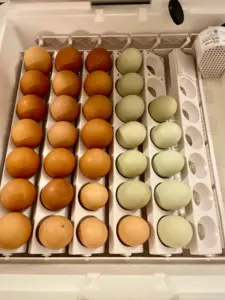
Egg incubators are machines that create an artificial environment that mimics when a hen sits on her eggs to hatch them. Incubators provide the heat and humidity that hen’s a body produces. In fact, when operating properly, an incubator can provide heat and humidity more consistently than a hen that still needs to eat and drink. However, a broody hen (a hen that has eggs to set on) will forgo her needs for extended periods of time.
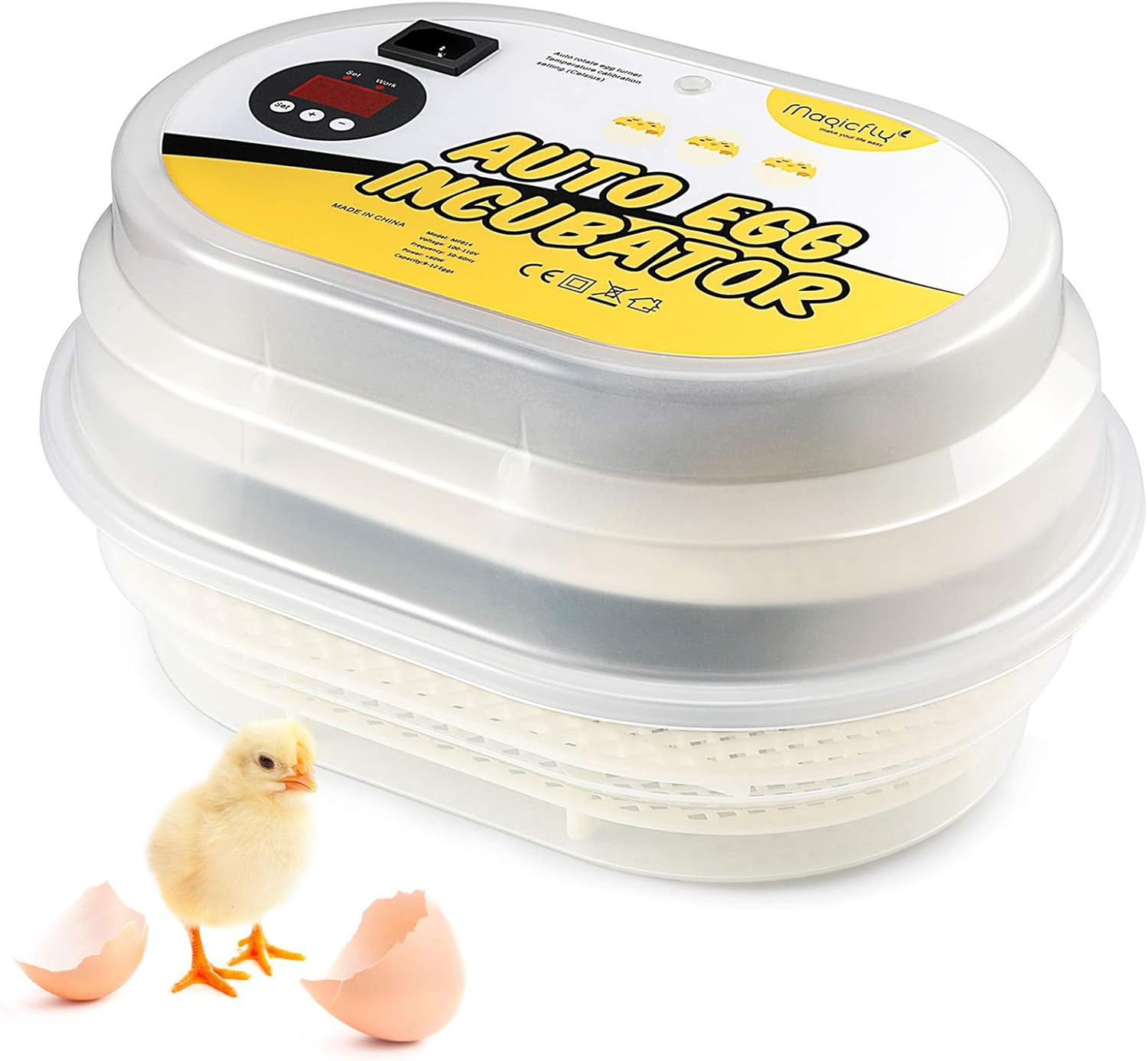
There are many different types and sizes of incubators to fit the needs of every homestead. Small incubators can be inexpensive and great for small homesteads. Unfortunately, they can sometimes have inaccurate and inconsistent heaters and humidifiers. This will often cause low hatch rates, especially as the incubator ages. Cabinet incubators are considerably more accurate but are an investment even for a larger homestead or hatchery.
Mini Incubators
Great for hobby farmers, learning with kids, or one-time-a-year specialty eggs.
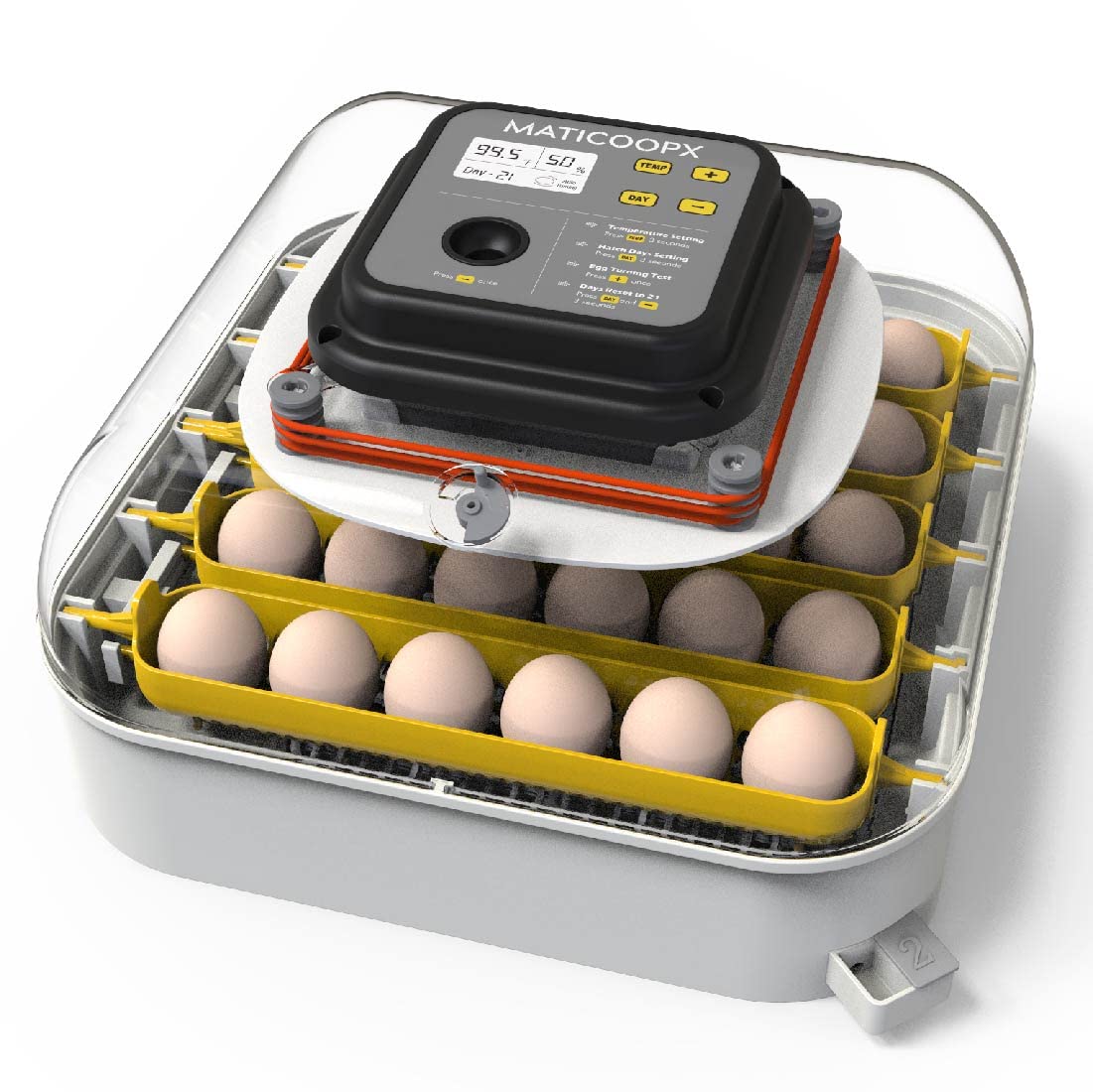
Styrofoam or Plastic Table Top Incubators
Most popular among homesteaders, reasonably priced, and readily available.

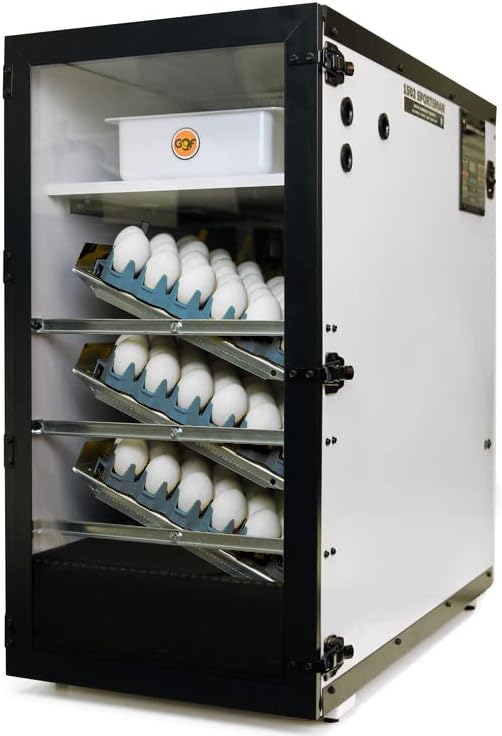
Cabinet Incubators (Minimum $500 Investment)
These incubators are great for commercial homesteads, but have a large investment and sometimes a long order time.
Most incubator accessories are for your convenience. They reduce the amount of work or commitment from you and reduce human error. I always suggest investing in everything you need the first time to minimize your time input and financial loss from the inevitable human error. The truth of the situation for most new homesteaders, myself included sometimes, is that the finances are not always there. In this case, it is important to understand the purpose of each accessory so that your role in incubation can be fulfilled.
Some incubators come with fans to regulate the temperature and humidity required to incubate eggs properly. This is an almost necessary accessory. Otherwise, the temperature and humidity of the incubator must be constantly maintained manually.
There are also incubators that come with egg turners. Egg turners are essential because otherwise, the developing embryo can stick to the side of the shell. The yoke should remain between the side of the egg and the embryo; however, it tends to float to the top. If the incubator does not have an egg turner, the eggs must be manually turned four times a day. To make sure that every egg is turned, adding an “X” with a pencil on one side will help keep track.
When choosing an incubator, you need to consider if it is still air or has a fan. Even though egg turners are a common accessory (sometimes need to be purchased separately), make sure that there are rails for both chicken eggs and quail eggs. For larger eggs, like duck eggs, there may not be egg turners that are a custom fit for the smaller incubators. Many cabinet incubators will have more size options or adjustable egg turners.
Ensure that any accessories purchased are made for your incubator.